http://www.npr.org/2015/01/13/376134776/va-data-show-disparities-in-veteran-benefits-spending
NPR — along with seven public radio stations around the country —
is chronicling the lives of America's troops where they live. We're
calling the project "Back at Base." This is the first of a three-part series about veteran benefits (Part 2 / Part 3).
If
you're a veteran and rely on benefits from the U.S. Department of
Veterans Affairs, where you live may have an effect on whether you
receive the benefits you've earned.
NPR, together with member
stations WBUR, Lakeshore Public Radio and KUOW, looked at data from
3,000 counties nationwide, and found there's a huge variation in
coverage from state to state — and even within a state — on how much the
VA spends per veteran.
We also found there's no obvious
pattern. And there's no strong association between spending per Veterans' benefits cover a wide range, including health care, monthly disability checks, home loans, life insurance, and education through the GI bill, among others.
Among
the states, West Virginia and Arkansas had the highest per-veteran
spending in 2013 — just over $7,600. Indiana, New Jersey, Delaware and
Pennsylvania had the lowest — less than $5,000. Nationally, the average
is just over $6,000. That's after filtering out things like costs to
build and operate VA facilities.
When looking specifically at health benefit spending,
calculating the amount of spending per "patient" — with a patient being
a veteran who gets health benefits — there's a wide variation that
doesn't fit discernible patterns.
For example, spending is
nearly $30,000 per patient in San Francisco, and less than $7,000 per
patient in Lubbock, Texas. Nationally, the average is just under
$10,000. In places where more veterans are enrolled in VA health benefit
plans, spending per veteran did tend to be higher.
READ MORE



Mayor of Ísafjörður
Gísli Halldór Halldórsson has said that the town will not accept
liability relating to the dioxin pollution in Engidalur valley near
Ísafjörður, the West Fjords, from the incinerator Funi despite the fact
that the municipality will participate in compensating farmers in the
area for damages.
“This might sound strange but I have never seen liable documents
which show that dioxin pollution in meat from Engidalur was over the
limit. For this precise reason, the town of Ísafjörður has never
accepted responsibility for the damage that occurred,” he told Fréttablaðið.
Gísli referred to a Danish report which found that the levels of
dioxin in the meat produced by farmers in Engidalur were below the
maximum limit. The Icelandic Food and Veterinary Authority (MAST) banned
the sale of meat from the area and recalled meat exported to Europe.
A report from MAST stated that dioxin in meat from the area had
measured above the maximum safety limit in December 2010. Dioxin levels
in milk had also previously been found to be above the limit. Gísli says
it would be interesting to see the initial report from MAST with
information about chemical levels in the food products.
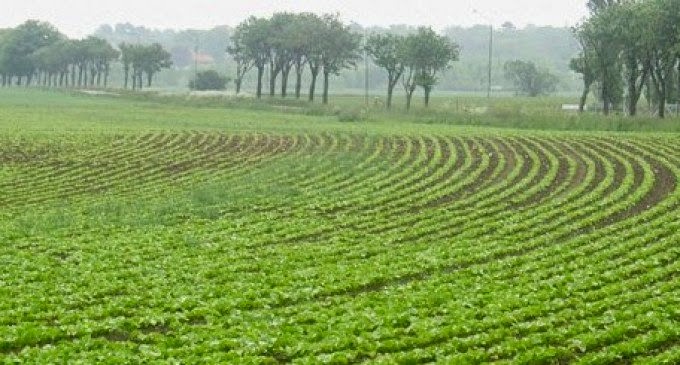
Farmer at Efri-Engidalur, Steingrímur Jónsson, was forced to
slaughter his entire livestock herds, 80 sheep and 19 cattle, in 2011
after it was discovered that they had been subjected to dioxin
pollution. Two hundred sheep from other farms in the valley were also
put down. The incinerator was closed in 2010.
Experimental pasturing conducted by the Icelandic Food and Veterinary
Authority (MAST) to test the content of dioxin in the grass concluded
in January 2012 that the area was fit for farming again. However, it was
advised that farm products, especially those from cattle and horses, be
monitored to begin with.
The municipality approved the counter offer by farmer Kristján
Ólafsson for damages that he suffered while an agreement is yet to be
reached with Steingrímur Guðmundsson. Gísli told Fréttablaðið yesterday that the city council is still waiting on a response from him to its offer.


